
Support Is Action: 9 Ways to Stand With Survivors During Women’s History Month

March is Women’s History Month — a time to celebrate the strength, leadership, and resilience of women who have shaped our communities and advanced women’s rights.
But honoring women is more than remembrance. It is responsibility.
Across history, women have fought for safety, dignity, and equality. Today, one of the most meaningful ways we honor that legacy is by actively supporting survivors of sexual violence and abuse in our own communities.
Support is not passive. Support is not silent. Support is action.
Here are 9 meaningful ways to stand with survivors this month and beyond:

1. Believe Survivors
When someone shares their experience, your first response matters. Avoid questioning, minimizing, or investigating. Simply saying, “I believe you” can reduce shame and isolation. Survivors often fear not being trusted — your validation can be the first step toward healing.
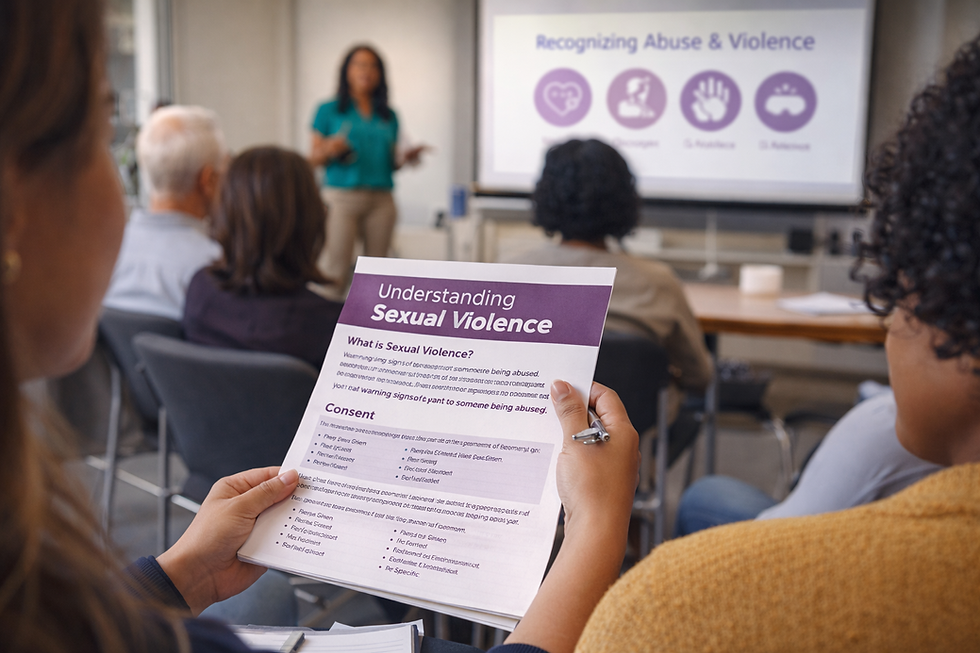
2. Educate Yourself About Sexual Violence
Understanding consent, boundaries, and the signs of abuse equips you to respond appropriately. Prevention begins with awareness. Attend community trainings, read reputable resources, and engage in ongoing learning. Knowledge builds safer communities.

3. Model Healthy Relationships at Home
Children learn relationship patterns by observing adults. Demonstrate respect, communication, and accountability in your home. Talk openly about boundaries and bodily autonomy in age-appropriate ways. Prevention starts early.

4. Speak Up Against Harmful Language
Victim-blaming jokes, minimizing comments, or dismissive statements contribute to harmful culture. Challenge misinformation respectfully. Silence can reinforce stigma; courage shifts culture.

5. Support Local Advocacy Organizations
Local organizations like The Turning Point provide crisis intervention, advocacy, counseling, and prevention education. Community donations, partnerships, and volunteer support make these services possible. Invest in the resources that protect your neighbors.

6. Volunteer Your Time
From event support to outreach efforts, volunteers help expand awareness and survivor services. Even a few hours can make a measurable difference.

7. Advocate for Survivor-Centered Policies
Whether in schools, workplaces, or faith communities, policies should prioritize safety, dignity, and trauma-informed responses. Encourage leadership to adopt clear reporting procedures and protective measures.

8. Teach and Practice Consent
Consent is ongoing, informed, and freely given. Teaching this early — and modeling it consistently — creates safer relationship dynamics across generations.

9. Show Up for Community Events
Visibility matters. When communities gather publicly in support of survivors, it sends a powerful message: You are not alone.
Next month, we invite you to join us at our Community Supporting Survivors event — a space dedicated to awareness, education, and solidarity.
Women’s History Month reminds us that change happens when communities act together.
If you are ready to move from awareness to action, we invite you to stand with us.
Reserve your spot today for Community Supporting Survivors.
Free RSVP: https://www.zeffy.com/en-US/ticketing/2026-saam-4th-annual-community-supporting-survivors-attendees
Let us know you’re coming. Your presence matters.


Girl games make me can't get it out of my brain
wordle answer today Teaching this early — and modeling it consistently — creates safer relationship dynamics across generations.
One reason I keep returning to Drive Mad is the level variety. Some maps require careful balance, while others feel more like puzzle stages where timing matters more than speed.
The 9 ways you shared were great and innovative. I learned a lot from your sharing methods. Also, when I need a quick break from work, I like to play easy web games like eggy car.